Solar Products in Pakistan: A 2026 Buyer’s Guide to Panels, Inverters and Batteries
Choosing the right solar products in Pakistan has never mattered more than it does in 2026. With grid tariffs climbing and net-metering rules maturing, households and businesses are treating rooftop solar as a core investment rather than a novelty. This guide walks you through every major component, what to check before you buy, and how to avoid the common traps that leave buyers stuck with underperforming systems.
The good news is that the local market has matured fast. Tier-1 panels, hybrid inverters and lithium batteries that were hard to source a few years ago now ship from warehouses in Lahore, Karachi and Islamabad within days. The challenge is no longer availability; it is knowing how to compare specifications, warranties and after-sales support so your rupees translate into decades of reliable generation.
Why Solar Products in Pakistan Are Booming in 2026
Electricity costs and load-shedding pushed early adopters onto rooftops, but the momentum is now structural. The International Energy Agency notes that solar photovoltaics have become the cheapest source of new electricity across most emerging markets, and Pakistan sits squarely inside that trend. You can review the global picture in the IEA renewables outlook.
Locally, the falling cost of imported modules has cut typical payback periods to roughly three to five years for a well-designed residential system. That math is why demand for reliable equipment keeps rising, and why buyers now shortlist vendors who publish real project references, such as documented solar projects in Pakistan rather than vague promises.
The Core Solar Products You Need to Understand
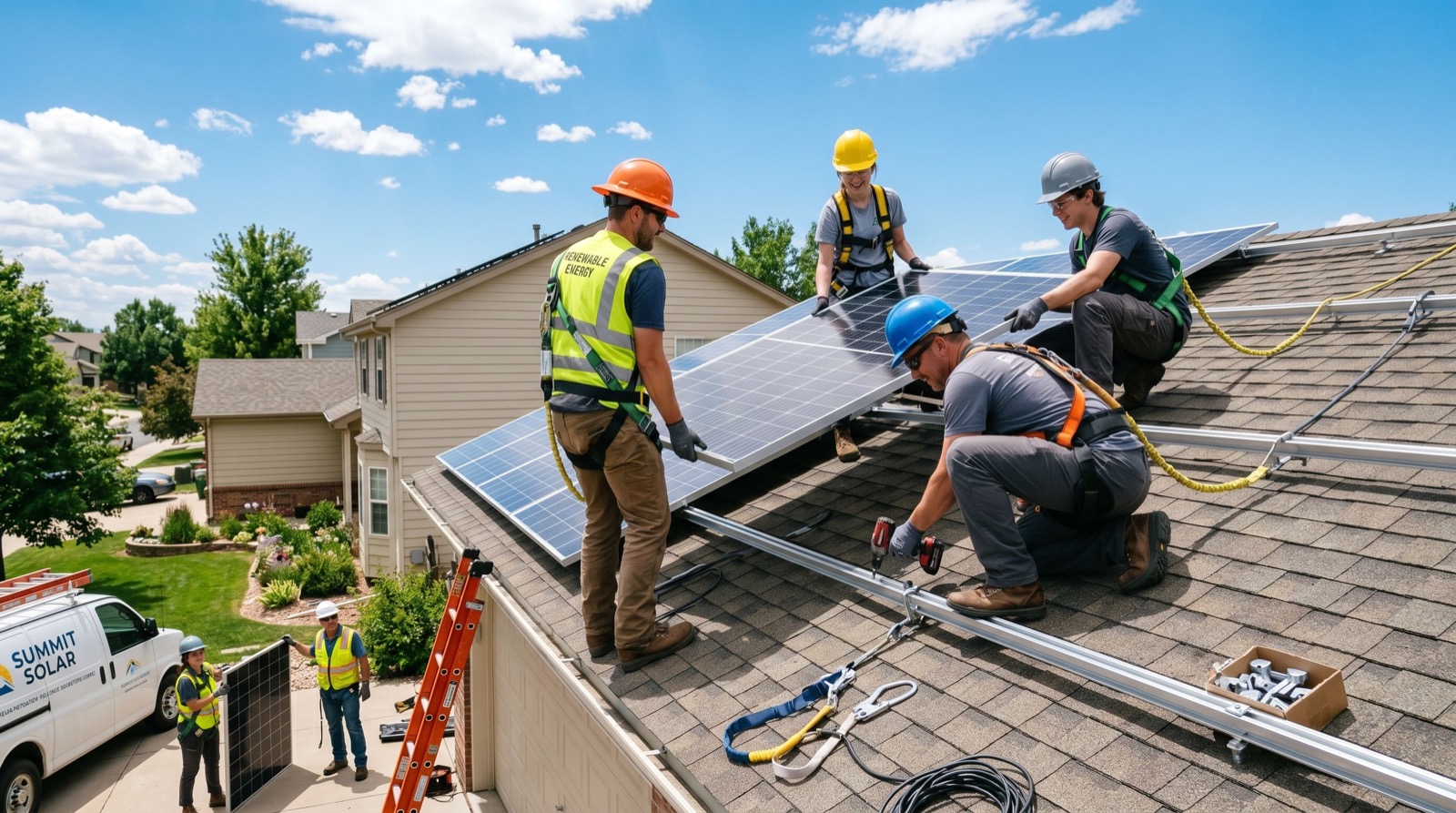
A complete rooftop system is more than a stack of panels. Each component has its own role, lifespan and failure mode. Understanding them helps you spend where it counts.
- Solar panels (modules): Convert sunlight to DC electricity. Monocrystalline PERC and newer N-type TOPCon panels dominate 2026 shipments.
- Inverters: Convert DC to usable AC. Hybrid units add battery and grid management.
- Batteries: Store surplus energy for evenings and outages. Lithium iron phosphate (LiFePO4) is now the mainstream choice.
- Mounting structures: Anchor panels against Pakistan’s summer winds and monsoon loads.
- Balance of system: Cables, breakers, surge protection and monitoring that keep everything safe.
When you browse a catalogue of solar products in Pakistan, insist on datasheets for each item. A trustworthy vendor will hand them over without hesitation.
How to Compare Solar Panels and Inverters
Specifications can look intimidating, but a handful of numbers tell most of the story. Use the table below as a quick reference while you shortlist equipment.
| Component | Key spec to check | 2026 benchmark | Why it matters |
|---|---|---|---|
| Solar panel | Efficiency & degradation | 21%+, under 0.5%/yr | More output per square metre, longer life |
| Hybrid inverter | MPPT count & surge rating | 2 MPPTs, 2x surge | Handles shading and motor loads |
| Battery | Cycle life & DoD | 6,000+ cycles, 90% DoD | Decade-plus usable storage |
| Warranty | Product vs performance | 12yr / 25yr | Protects your investment |
Do not chase the lowest sticker price alone. A panel that degrades quickly or an inverter with a single MPPT can quietly erase years of savings.
What Should You Ask Before You Buy Solar Products?
Before signing anything, run through this quick set of questions with your supplier. Their answers reveal whether you are dealing with a genuine specialist or a reseller who disappears after installation.
- Are the panels Tier-1 with a verifiable manufacturer warranty?
- Is the inverter sized correctly for both today’s load and future expansion?
- Who handles net-metering paperwork and grid approval?
- What is the response time for after-sales service calls?
- Can you share recent installations I can visit or verify?
Buyers who work with reliable local experts consistently report smoother approvals and fewer surprises, because experienced teams know the utility processes inside out.
Net Metering and Regulatory Basics
Net metering lets you export surplus daytime generation to the grid and draw it back later, effectively using the grid as a virtual battery. The National Electric Power Regulatory Authority sets the framework, and you can read the official rules on the NEPRA website.
In practice, your installer files the application, coordinates the bidirectional meter, and secures the distribution company’s approval. A properly documented system with quality components sails through inspection; a cheap patchwork often stalls. This is another reason equipment quality and installer competence go hand in hand.
Practical Tips From the Field
After watching hundreds of rooftop projects across Pakistan, a few lessons repeat. First, oversize your cabling slightly; voltage drop on long roof runs steals output in summer. Second, leave headroom on the inverter so you can add panels later without replacing the unit. Third, insist on proper earthing and surge protection, because monsoon lightning is a real threat to unprotected electronics.
One original insight worth remembering: the cheapest system on paper is rarely the cheapest over ten years. Model your cost per usable kilowatt-hour across the warranty period, not the day-one price. When you do that, mid-range Tier-1 gear almost always wins.
Frequently Asked Questions
How much do solar products in Pakistan cost in 2026?
A quality 5kW residential system typically ranges from PKR 900,000 to 1.4 million depending on battery capacity and panel brand. Systems without storage cost noticeably less, while premium lithium backup raises the total.
Which solar panels are best for Pakistan’s climate?
Monocrystalline PERC and N-type TOPCon panels handle high heat with lower degradation, making them ideal for Pakistan’s long, hot summers. Look for a low temperature coefficient on the datasheet.
Do I need a battery with my solar system?
Not always. If your goal is to cut bills and you have reliable net metering, a grid-tied system without batteries offers the fastest payback. Batteries make sense where outages are frequent or backup is essential.
How long do solar products last?
Quality panels carry 25-year performance warranties, hybrid inverters last 10 to 12 years, and LiFePO4 batteries deliver 6,000-plus cycles. With good maintenance, a well-built system serves you for decades.
Conclusion and Next Steps
Investing in solar products in Pakistan in 2026 is one of the smartest financial decisions a homeowner or business can make, provided you buy on value rather than price alone. Compare specifications, verify warranties, check real project references, and lean on experienced installers to handle the regulatory work.
Ready to move forward? Request datasheets, get a properly sized quote, and shortlist a vendor with a proven track record. Your future self, and your electricity bill, will thank you for the diligence you do today.