
Digital Marketing Strategy 2026: A Full-Funnel Playbook for Growing Brands
A modern digital marketing strategy in 2026 is no longer a single channel bet. It is a coordinated system where SEO, paid media, email, and social work together to move a stranger from first click to loyal customer. Brands that treat these as separate silos leak budget at every stage. Brands that connect them compound their results.
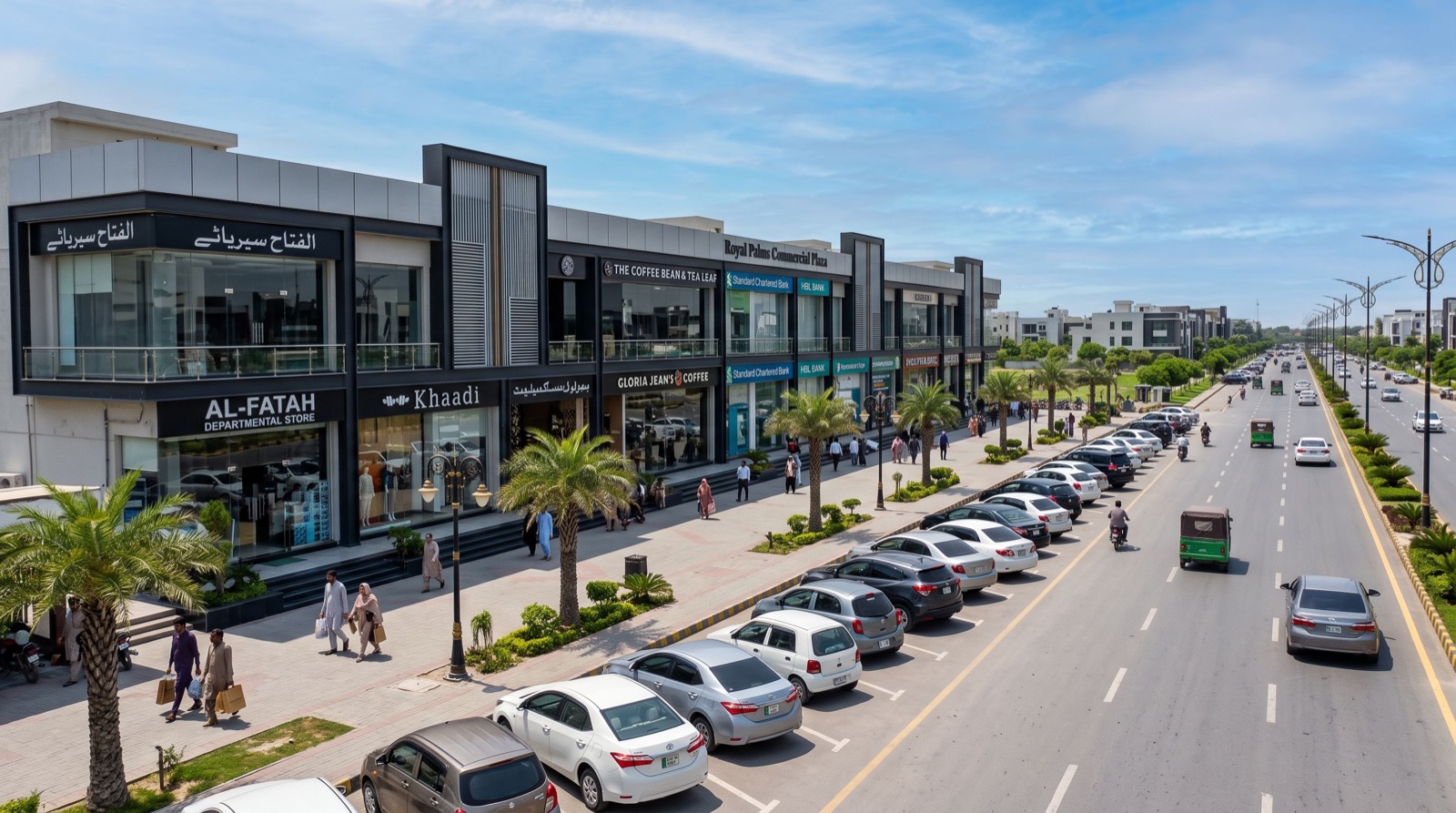
This guide breaks the full funnel into practical stages, with the same framework a hands-on digital marketing in Jeddah campaign would use for a competitive regional market. Whether you sell locally or across borders, the mechanics are the same.
Why a Full-Funnel Digital Marketing Strategy Wins
Most businesses over-invest at the bottom of the funnel, buying clicks from people who are ready to convert while ignoring the audience still forming an opinion. That approach caps growth because you can only harvest existing demand.
A full-funnel digital marketing strategy also creates demand. It puts your brand in front of people before they are actively searching, so when they are ready, you are the obvious choice.
- Awareness: content, social, and PR build recognition.
- Consideration: SEO and retargeting nurture interest.
- Conversion: paid search and offers close the sale.
- Retention: email and loyalty programs increase lifetime value.
Mapping Channels to Funnel Stages
Each channel has a job. Using the wrong channel for the wrong stage is why so many campaigns underperform despite decent spend.
| Funnel Stage | Primary Channels | Key Metric |
|---|---|---|
| Awareness | SEO content, short-form video, display | Reach and impressions |
| Consideration | Retargeting, email, comparison pages | Engaged sessions |
| Conversion | Paid search, landing pages | Cost per acquisition |
| Retention | Email, SMS, community | Repeat purchase rate |
Building the Strategy Step by Step
Do not start with tactics. Start with the customer and work backward to the channels. Here is the sequence I use with growth-stage clients.
- Define one primary business goal. Revenue, qualified leads, or retention. Pick one to anchor decisions.
- Map the buyer journey. Document how your best customers actually discover and choose you.
- Assign channels to stages. Fill obvious gaps first rather than adding trendy channels.
- Set measurable targets per stage. A funnel with no stage-level KPIs cannot be optimized.
- Instrument tracking end to end. If you cannot attribute a conversion, you cannot scale what works.
One field-tested insight: reallocating even 15 to 20 percent of a bottom-funnel paid budget into consistent top-funnel content usually lowers blended acquisition cost within a quarter, because a warmer audience converts more cheaply later.
Measurement and Attribution in 2026
With third-party cookies gone and privacy rules tightening, first-party data is now the backbone of measurement. Build email lists, encourage logins, and use server-side tracking where possible.
Google’s official Analytics documentation outlines how event-based models replace older session logic, which changes how you read your funnel. Learn the new model rather than forcing legacy reports onto it.
When execution gets complex, partnering with reputable service experts keeps your tracking clean and your reporting trustworthy, which is the difference between guessing and scaling.
Content That Fuels the Whole Funnel
Content is the connective tissue of a digital marketing strategy. The same asset can feed multiple stages when you plan it deliberately. A single in-depth guide can attract awareness through search, nurture consideration through email, and support conversion through internal links to product pages.
Map your content to intent, not just topics. Every piece should have a clear job in the funnel.
- Top-funnel: educational articles, short-form video, and industry explainers that build reach.
- Mid-funnel: comparisons, case studies, and buyer guides that reduce hesitation.
- Bottom-funnel: landing pages, demos, and offers engineered to convert.
Repurposing multiplies your return. One webinar can become a blog post, a set of social clips, an email sequence, and a lead magnet, stretching a single production effort across weeks of distribution.
Marketing Automation and Personalization
Automation is where a good strategy becomes efficient. Instead of manually chasing every lead, you build workflows that respond to behavior at scale, delivering the right message at the right moment.
In 2026, AI-assisted personalization has moved from a luxury to a baseline expectation. Segment your audience and tailor the experience rather than blasting one message to everyone.
- Trigger welcome sequences automatically when someone joins your list.
- Score leads by engagement so sales focuses on the warmest prospects.
- Send behavior-based emails, such as cart-abandon or post-purchase flows.
- Re-engage dormant contacts before they churn entirely.
Done well, automation lifts revenue without adding headcount, freeing your team to focus on strategy and creative rather than repetitive sending.
Scaling Across Markets
Once the funnel works in one market, expansion is about localization, not reinvention. Translate intent, not just words, and adapt offers to local buying behavior.
A brand that succeeds in the Gulf might then engage an SEO expert in Saudi Arabia to dominate regional organic search while paid media handles rapid entry into new cities. The strategy scales; the tactics get tuned per market.
- Reuse your proven funnel structure in each new region.
- Localize creative, currency, and payment methods.
- Measure each market separately to spot true winners.
Frequently Asked Questions
What is the most important part of a digital marketing strategy?
Clarity of goal comes first. Every channel and metric should trace back to one primary business objective. Without that anchor, teams chase vanity metrics and spread the budget too thin to move revenue.
How much should I budget for digital marketing in 2026?
A common benchmark is 7 to 12 percent of revenue for growth-focused businesses, weighted toward the funnel stages where you have the biggest gaps. Start smaller, prove a channel, then scale the winners.
Is SEO or paid advertising better?
They serve different jobs. Paid delivers fast, controllable traffic; SEO builds compounding, lower-cost visibility over time. The strongest strategies run both, using paid data to inform which SEO topics to prioritize.
How long before a new strategy shows results?
Paid channels can show signal in weeks, while SEO and content typically need three to six months to compound. Judge each channel on its own timeline rather than expecting uniform results.
Conclusion
A winning digital marketing strategy in 2026 connects awareness, consideration, conversion, and retention into one measurable system instead of disconnected campaigns. Anchor it to a single goal, assign the right channel to each stage, and let first-party data guide your spend. Ready to build a full-funnel engine that grows with you? Reach out today and turn scattered tactics into a strategy that scales.